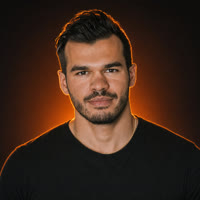
Put AI to work in your business or brand.
You do not need a developer.
I’m Angelo, a software engineer. I help business owners and creators automate the work they hate, post more without a content team, and stop paying for software AI can do.
AI implementation call.
See where AI fits in your business, and leave with the setup to run it. Bring the thing you cannot get working.
Book an AI callBrand deals.
Over a million views on my posts, mostly people building with AI. Email me what you have in mind.
Email meQuestions, answered
The AI tools I actually use, my Claude Code setup files, and the prompts I reuse every day. It is a page of links, not a PDF, and I add to it as I find things.
No. Most of what I show runs in a browser or installs with one command. If you can follow a recipe you can run all of it.
Rarely, and only when there is something worth sending. No daily email, no drip sequence. You can unsubscribe from any email I send.
Yes. Over a million views on my posts, mostly people building with AI. Email me and tell me what you have in mind.
Yes. Book a call and we go through your setup together, or email me if you want something built and run for you.
Steal my exact Claude setup.
The AI tools I use, my Claude Code setup files, and the prompts I reuse every day.